
Understanding Skip Hire Options for Different Types of Waste Today
Managing waste effectively requires more than simply finding somewhere to place unwanted materials. Household clearances, garden projects, renovations and commercial work can each produce very different types and quantities of waste. Understanding these differences can make skip hire easier to organise and help customers select a suitable option for the work being undertaken.
Homeowners may need a practical solution after decluttering rooms or carrying out DIY improvements, while landlords might require waste removal between tenancies or during property maintenance. Surveyors and local authorities can face different requirements when coordinating larger programmes of work, and commercial properties may generate considerable amounts of material during refurbishment, maintenance or clearance projects.
The nature of the waste should always be considered before making arrangements. Bulky household items occupy space differently from garden materials, while construction debris can present different loading considerations from office furniture or packaging. Estimating both volume and type helps create a more organised approach from the beginning.
Properties throughout Corby include residential homes, rental accommodation, shops, offices and other commercial premises, each with different access and waste management requirements. The same principles apply elsewhere in the UK: identify what needs removing, estimate how much material is likely to be produced and consider where a container could be positioned safely.
Planning these details before work begins can help prevent waste from accumulating in unsuitable areas and allows the wider project to progress more efficiently.
Choosing Suitable Options for Common Household and Garden Waste
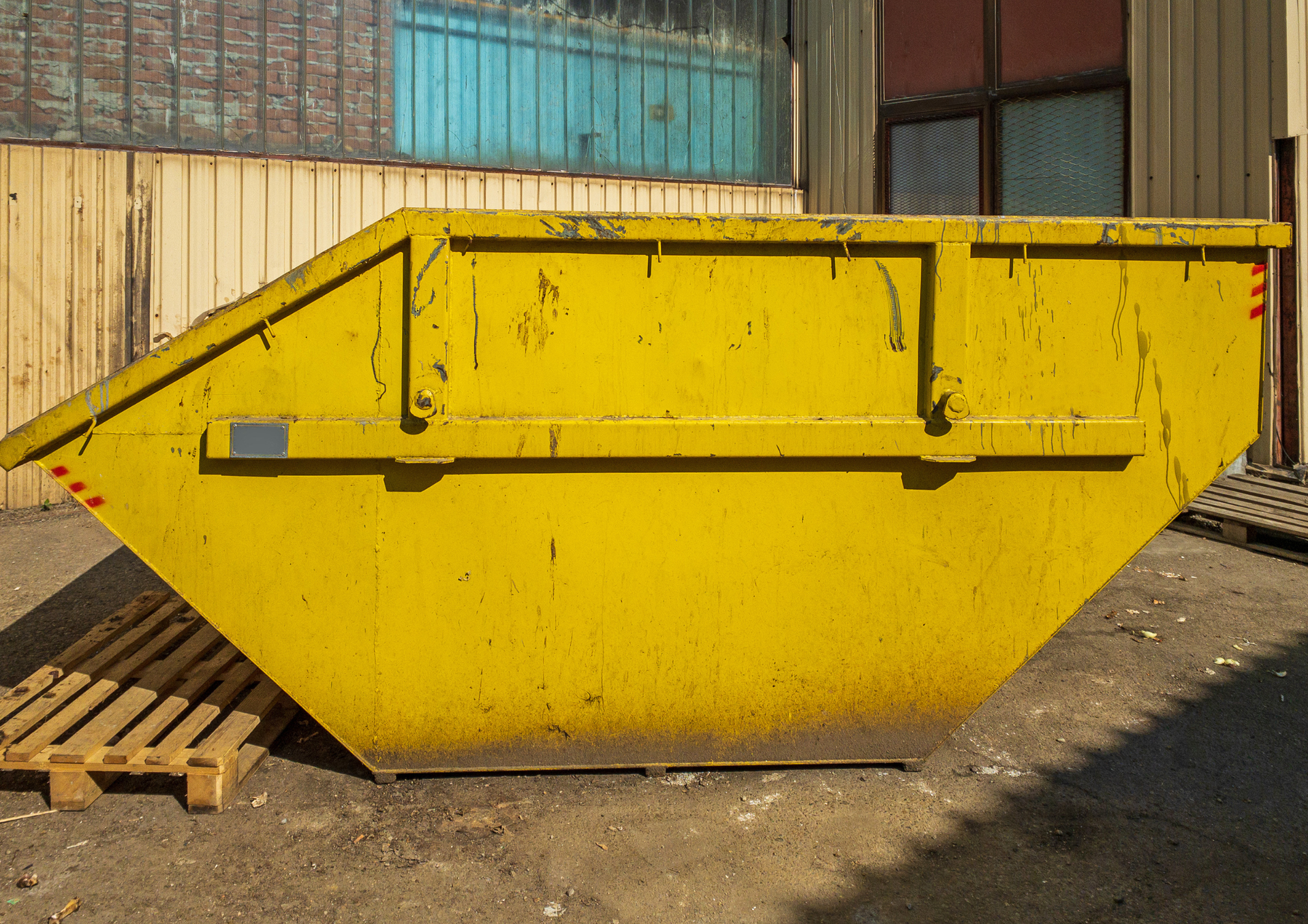
Domestic projects can range from clearing a single room to removing accumulated belongings from an entire property. Garden maintenance can produce equally varied waste, particularly where pruning, landscaping or removal of old outdoor features is involved. For smaller quantities, mini skip hire can provide useful capacity without automatically requiring a larger container.
Household Clearances
- Decluttering bedrooms, lofts, garages and storage areas can produce boxes, unwanted furnishings and general household items.
- Estimating the volume room by room can make it easier to determine how much capacity may be required.
- Bulky objects should be considered carefully because they can occupy substantial space even when relatively few items are being removed.
- Breaking down suitable items can sometimes make more efficient use of the available capacity.
Garden Maintenance
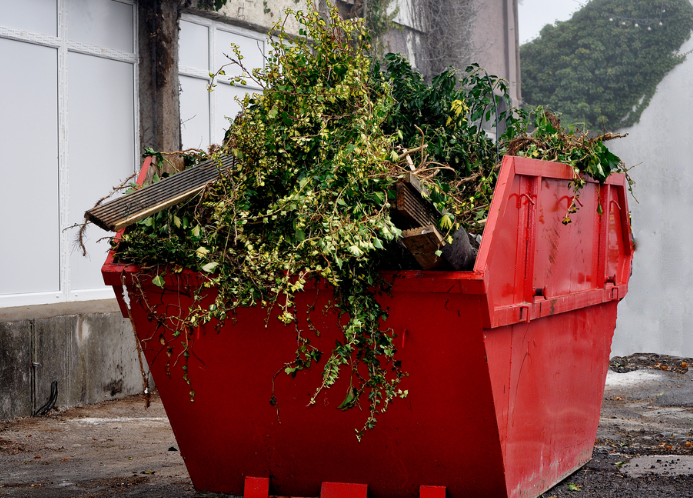
- Pruning shrubs, removing branches and clearing old plants can produce surprisingly large volumes of material.
- Garden waste may be lightweight but bulky, meaning available space can fill quickly.
- Larger landscaping projects should be assessed differently from routine seasonal tidying.
- Customers should establish which materials can be placed together before loading begins.
DIY Projects
- Decorating, replacing flooring and carrying out minor repairs can generate packaging, old fittings and removed materials.
- Planning waste removal alongside the work can help prevent rubbish from accumulating in rooms or access areas.
- Smaller improvement projects may require less capacity than complete refurbishments.
- Estimating what will be removed before starting provides a clearer picture of likely requirements.
Property Clearances
- Vacant homes and rental properties can contain a mixture of furniture, belongings and general unwanted materials.
- The quantity involved can vary significantly depending on the size and previous use of the property.
- Organising items before disposal can help customers understand the volume more accurately.
- Clear access should be maintained so removal work can continue efficiently.
Domestic waste management is generally easier when customers consider the complete project rather than only what is immediately visible. Cupboards, garages, lofts and outdoor areas can contain additional materials that increase the final volume considerably.
Managing Renovation and Construction Waste Effectively
Renovation and building projects frequently generate waste at different stages. Removing old fixtures may create a large quantity at the beginning, while subsequent work can produce smaller but continuous amounts of offcuts, packaging and unwanted materials. Understanding when waste is likely to appear can help customers coordinate removal with the wider project schedule.
Kitchen refurbishments are a good example. Removing old cabinets, worktops and flooring can quickly occupy available working space. If these materials remain around the property, they may restrict movement and make it harder for tradespeople to carry out subsequent tasks. Planning an appropriate disposal arrangement before stripping out begins can therefore improve organisation.
Bathroom renovations present similar challenges. Old fittings, tiles, flooring and packaging may all need to be managed. Customers should consider not only the amount of material but also its weight and physical dimensions when deciding what capacity is appropriate.
Larger refurbishments can involve several rooms or even an entire property. In these circumstances, waste may be produced over a longer period, making timing particularly important. Arranging delivery too early can occupy valuable space before it is needed, while arranging it too late can allow removed materials to accumulate.
Working with a provider offering local skip hire can be useful when access, delivery arrangements and project schedules need careful coordination. Knowledge of surrounding roads and typical property layouts can contribute to smoother planning, particularly where space is restricted or work is taking place in a busy residential or commercial area.
Construction projects also require careful consideration of material types. Timber, old fittings, bricks and other debris can have very different characteristics. Customers should confirm what can be placed in the chosen container rather than assuming every material can be handled in the same way.
Organisation during loading matters as well. Simply throwing materials into the available space can create unnecessary gaps, particularly when bulky items are involved. Positioning suitable waste carefully can make better use of capacity and reduce the likelihood of filling the container earlier than expected.
For landlords, surveyors and those coordinating maintenance programmes, waste arrangements should form part of the overall project planning. Considering disposal alongside access, trades and completion schedules can help reduce interruptions and maintain a more orderly working environment.
Matching Waste Capacity to Residential and Commercial Projects
The amount of waste produced can vary considerably between properties, even when similar work is being undertaken. Selecting an appropriate capacity is therefore an important part of arranging skip hire. Customers should consider the scale of the work, the type of material and how quickly unwanted items are likely to accumulate.
Small Residential Projects
- Individual room clearances, minor decorating work and general decluttering often produce manageable quantities.
- Compact options can be useful where driveway or property space is restricted.
- Customers should still account for bulky objects that may occupy more capacity than expected.
- Preparing waste before delivery can make loading more efficient.
Larger Home Improvements
- Kitchen replacements, bathroom refurbishments and extensions generally create greater quantities of material.
- Waste can be generated across several stages rather than all at once.
- Considering the complete project helps customers avoid underestimating requirements.
- Appropriate capacity can keep working areas clearer as renovations progress.
Commercial Clearances
- Offices can produce desks, shelving, storage units, packaging and general unwanted materials.
- Retail premises may generate fixtures and fittings during refurbishment.
- Waste arrangements should be coordinated with normal business operations wherever possible.
- Maintaining clear access for staff, contractors and visitors should remain an important consideration.
Larger Property Projects
- Extensive residential or commercial refurbishments can produce substantial volumes over a prolonged period.
- Project managers should consider how waste generation changes between different stages of work.
- Delivery and collection may need to be coordinated with contractors and other site activities.
- Planning adequate capacity can reduce disruption caused by materials accumulating around the property.
Access and Placement
- The proposed position should be considered before booking.
- Driveways, entrances and loading areas should remain accessible where required.
- Narrow streets or restricted sites may require additional delivery planning.
- Customers should provide accurate information about potential access difficulties beforehand.
Choosing capacity according to actual project requirements provides a more practical solution than automatically selecting the smallest or largest option available. A realistic estimate allows customers to balance available space with expected waste volumes.
Planning Waste Removal Around Your Project Schedule
Timing can have a considerable effect on how smoothly waste management fits into a project. Some customers can plan their work several weeks ahead, while others may discover that unwanted materials have accumulated more quickly than expected. Understanding when waste will be produced makes it easier to arrange delivery and collection at useful stages.
For planned household clearances, preparation can begin before the container arrives. Customers can identify unwanted belongings, dismantle suitable furniture and organise different areas of the property. Once delivery takes place, loading can begin efficiently rather than spending part of the hire period deciding what should be removed.
Renovation projects may require a different approach. Waste often appears rapidly during stripping-out work, so having capacity available at the beginning of that stage can prevent old materials from blocking rooms, pathways or working areas. Later phases may produce waste more gradually, making ongoing planning useful.
Unexpected situations can also arise. A property clearance may uncover considerably more unwanted material than anticipated, or a renovation schedule may change at short notice. In circumstances where prompt availability is important, same day skip hire may help customers respond without allowing waste to interfere with the progress of the work.
Commercial properties should consider timing particularly carefully. Deliveries and collections may need to fit around opening hours, contractor schedules or periods when access areas are less busy. Planning these arrangements beforehand can minimise disruption to staff, customers and other site users.
Landlords preparing rental properties can coordinate waste removal with maintenance, decorating and cleaning. Whatever the type of property, choosing appropriate skip hire should be based on realistic requirements rather than assumptions.
Surveyors and local authorities overseeing larger projects may need to consider several stages of work. Waste arrangements that are incorporated into the project schedule from the beginning can help prevent delays and provide a clearer understanding of when removal will be required.
Customers should also avoid arranging collection before the work is genuinely complete unless the available capacity has already been used. Equally, leaving a filled container in place longer than necessary can occupy valuable space. Communication with the provider helps ensure collection arrangements remain suitable as the project develops.
Skip Hire Corby provides practical waste removal support for homeowners, landlords, surveyors, local authorities and those responsible for residential and commercial properties. We understand that every project has different requirements, which is why we consider the expected waste volume, property access and type of work before helping customers explore suitable options.
People searching for skip hire near me often want a service that combines convenient arrangements with straightforward guidance. Our approach focuses on clear communication so customers can better understand the available capacities, delivery considerations and collection arrangements before making a decision.
From household and garden clearances to renovation and commercial projects, we aim to make the process straightforward and manageable. By considering the individual circumstances of each job, we can provide practical support throughout the booking, delivery and collection process.Careful planning and suitable capacity can make skip hire a much simpler part of managing waste from projects of different sizes.
Check out our latest X update exploring
skip hire options for different types of waste and how the right choice can make waste management easier.
You might also like