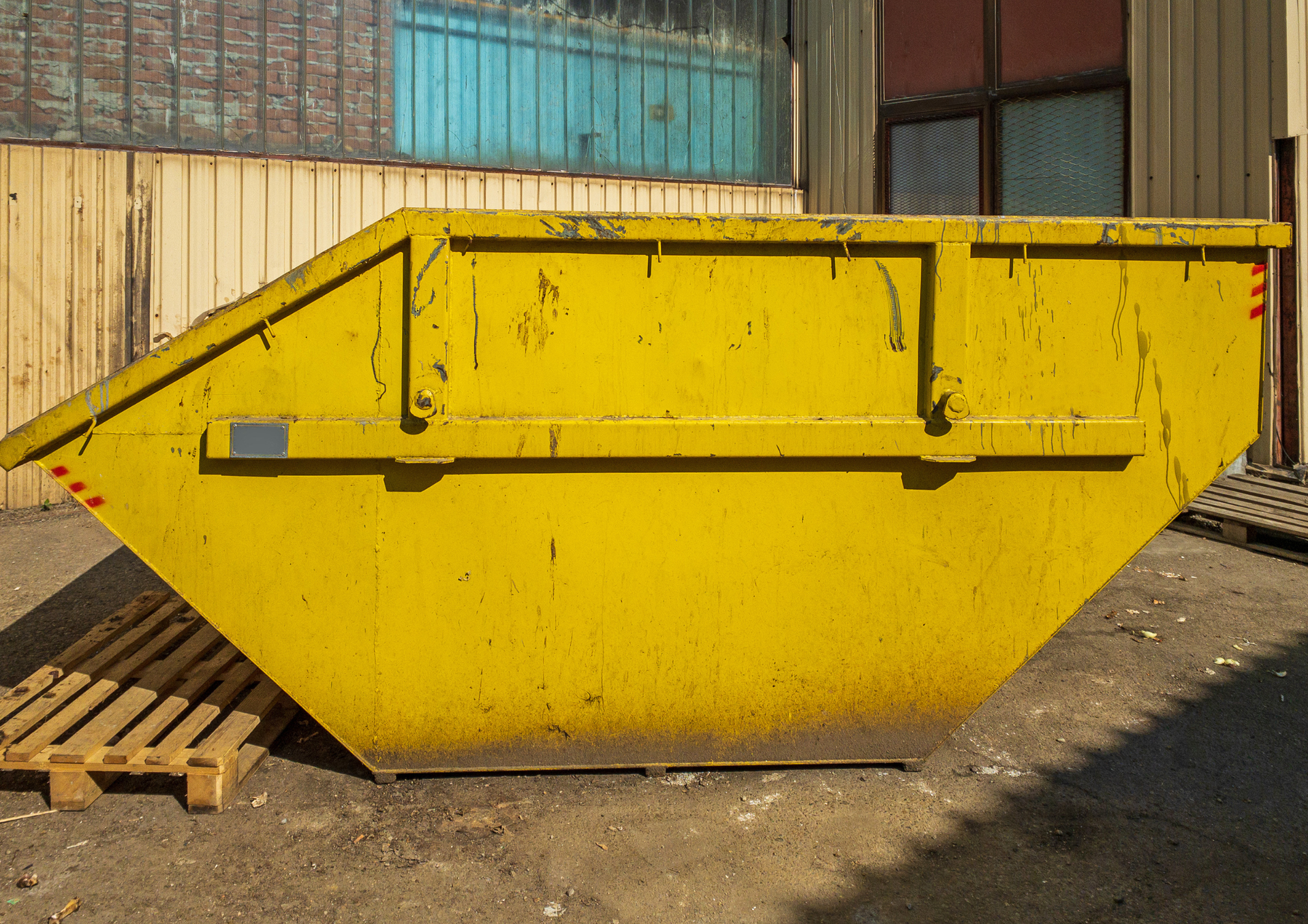

Choosing Local Skip Hire for Simple and Efficient Waste Disposal
Managing waste effectively is an important part of household clearances, property improvements, building projects and commercial work. When unwanted materials begin accumulating, having an organised method for removing them can make the entire project easier to manage. Choosing local skip hire gives property owners and project managers a practical way to keep waste contained while arranging delivery and collection around the work being completed.
For homeowners, this may involve clearing unwanted furniture before decorating or disposing of materials during a kitchen renovation. Landlords may need an efficient solution when preparing a rental property for new occupants, while surveyors and local authorities can have different requirements when overseeing maintenance or improvement work. Commercial properties may generate larger volumes that require careful planning to avoid disrupting normal activities.
An effective service should ultimately make waste management simpler rather than adding another complicated stage to a project. Understanding how to plan the booking, choose suitable capacity and prepare for delivery can help customers achieve this.
Planning Waste Removal Around Different Types of Projects
Every project creates different quantities and types of waste. A small household clear-out may produce relatively light materials, while renovation or building work can create bulky and heavy debris. Planning around the nature of the project helps customers determine what arrangements are likely to be suitable.
Household Clearances
- Consider which rooms are being cleared and approximately how much material will be removed.
- Separate items that can be reused or donated before estimating the remaining waste.
- Avoid choosing capacity based only on the first few items being discarded, as furniture and bulky household materials can occupy considerable space.
- Plan the timing carefully if the clearance needs to be completed before a property sale, move or renovation.
Renovations and DIY Work
- Kitchen and bathroom improvements can generate old fittings, packaging and building materials at different stages.
- Removing debris progressively helps prevent working areas from becoming cluttered.
- Consider the entire project rather than only the initial demolition or removal stage.
- Discuss material types beforehand if the work is likely to produce specialist or restricted waste.
Garden and Outdoor Improvements
- Landscaping can create soil, branches, old fencing, paving and other bulky materials.
- Garden waste should be estimated by volume rather than weight alone because branches and vegetation can occupy considerable space.
- Clearing materials as work progresses can make gardens easier to access.
- Customers should check which materials can be combined before loading different waste types together.
Commercial and Managed Properties
- Offices, shops and managed buildings can produce significant waste during refurbishments or clearances.
- Delivery should be coordinated to minimise disruption to staff, visitors and neighbouring premises.
- Larger projects may benefit from planning different waste removal stages rather than attempting to manage everything at the end.
- Site managers should establish who is responsible for monitoring the container during the hire period.
People searching for local skips near me may naturally focus on proximity, but availability should be considered alongside practical factors such as suitable capacity, collection arrangements and the provider's ability to accommodate the requirements of the site.
Selecting a Service That Fits the Site and Schedule
Convenience is one of the main reasons customers use a nearby provider, but convenience depends on more than distance. The service needs to fit the property, the type of work being completed and the timescale of the project.
Access should be considered before making a booking. A residential driveway may provide straightforward placement, whereas narrow streets, shared entrances and commercial premises can require additional planning. Customers should provide accurate information about gates, parked vehicles, overhead restrictions and other potential obstacles so that appropriate arrangements can be considered before delivery.
Placement also affects how easily waste can be loaded. A container positioned close to the working area can reduce the distance materials need to be carried, but it should not unnecessarily block entrances or create problems for other people using the property. Planning the position beforehand can therefore improve both convenience and organisation.
The project schedule is equally important. Some household jobs can be completed over a weekend, while property refurbishments may continue for several weeks. Arranging the hire period around the actual work prevents customers from feeling rushed while also avoiding equipment remaining on site longer than necessary.
Customers comparing local skips should consider the available sizes in relation to the waste they expect to produce. Choosing something too small can mean additional arrangements are required, whereas excessive capacity may leave customers paying for space they never use. Estimating realistically and discussing the project with the provider can help achieve a more appropriate balance.
Waste type should also be discussed in advance. General household items, garden materials and construction debris have different characteristics, and certain materials may require separate arrangements. Asking what can and cannot be placed inside before work starts reduces the risk of problems when collection is due.
Clear communication makes all of these stages easier. Customers should understand what has been arranged, where delivery will take place and how collection will be requested. Straightforward information allows everyone involved in the project to work around the waste removal plan rather than having to make last-minute adjustments.
Comparing Providers Beyond the Initial Quotation
Price is naturally an important consideration, but an effective comparison should also examine what the service includes. Looking at the complete arrangement gives customers a better understanding of the value being offered and reduces the likelihood of choosing solely on the basis of an attractive headline figure.
Clear Quotations
- Check what is included in the quoted amount before confirming a booking.
- Ask whether the proposed hire duration matches the expected project schedule.
- Make sure the size being quoted is suitable for the anticipated waste volume.
- Clarify any circumstances that could lead to additional charges.
Delivery Arrangements
- Confirm that the provider can access the intended location.
- Discuss preferred positioning before the vehicle arrives.
- Consider whether delivery could affect neighbours, customers or other site users.
- Make sure someone is available if instructions need to be provided when the container arrives.
Collection Procedures
- Find out how collection is requested once the project is finished.
- Consider whether a specific completion date needs to be accommodated.
- Avoid overfilling, as materials should remain within the permitted loading level.
- Keep access clear so collection can be completed efficiently.
Customer Communication
- Look for straightforward explanations rather than unclear or unnecessarily complicated booking information.
- Ask questions about sizes, materials and access before confirming the service.
- Provide accurate project details so suitable guidance can be given.
- Keep the provider informed if site conditions or project timings change.
When comparing local skip companies, the cheapest quotation is not automatically the most suitable, just as a higher figure does not automatically indicate better service. Comparing capacity, hire duration, delivery arrangements, communication and collection procedures provides a more useful picture of what each option offers.
Making Waste Disposal Simpler from Delivery to Collection
Once the appropriate arrangements have been made, a little organisation during the hire period can make waste disposal considerably easier. The objective is not simply to fill a container as quickly as possible, but to use the available capacity effectively while maintaining an orderly project.
Before delivery, the intended position should be cleared. Vehicles, building materials and other obstacles may need to be moved so the delivery vehicle has appropriate access. If work is taking place at a commercial property, it can also be helpful to consider customer entrances, loading areas and staff parking.
Once the container is in position, everyone involved in the project should understand what can be placed inside it. This is particularly important on larger sites where contractors, property managers or several workers may be disposing of materials. Clear instructions reduce the possibility of unsuitable items being added accidentally.
Loading efficiently can also make better use of the available space. Bulky objects may occupy substantial capacity if placed inside without consideration. Where appropriate and safe, breaking suitable items down into manageable pieces can help reduce unused gaps. Materials should remain within the permitted level rather than extending above the sides.
Good organisation is equally valuable during longer projects. Instead of allowing loose rubbish to accumulate around working areas before eventually being moved, placing suitable materials into the container as work progresses can help maintain clearer access routes. This is particularly useful during property renovations where different trades may need to move between rooms and outdoor areas.
A dependable skip hire arrangement should also include a clear process for completing the service. Once the work is finished, customers should be able to arrange collection according to the agreed procedure and ensure the area is accessible when the vehicle arrives.
Responsible waste handling remains important after collection. Different materials may be sorted and processed according to appropriate disposal or recycling routes. Customers can support this process by following the provider's guidance about acceptable materials and avoiding placing restricted items inside.
For landlords, surveyors and local authorities managing several properties or projects, maintaining a consistent approach can be particularly useful. Recording the approximate capacity required for different types of work can make future planning easier. Homeowners can apply the same principle by considering the scale of previous clearances or renovations when estimating requirements for another project.
Ultimately, efficient disposal depends on preparation at both ends of the service. Accurate information before delivery and responsible loading during the project help make collection straightforward when the work is complete.
Simple and efficient waste disposal begins with understanding the project rather than immediately choosing a container. The amount of material, type of waste, available space, site access and expected project duration can all influence which solution is appropriate.
Homeowners completing renovations or clearances should consider the full amount of waste likely to be produced rather than estimating only what is visible at the beginning. Landlords and property professionals may also need to coordinate removal around contractors, maintenance schedules or changes between occupants. For commercial premises and public-sector projects, careful placement and collection planning can help minimise disruption to normal activities.
Choosing suitable capacity is only one part of the process. Clear communication with the provider, sensible loading and preparing the site for delivery and collection all contribute to a smoother experience. Customers should also understand which materials are acceptable before work begins rather than discovering restrictions once the container has already been loaded.
By approaching waste management as part of the wider project plan, customers can keep working areas more organised and reduce unnecessary complications. Choosing local skip hire can also provide a practical way to coordinate delivery and collection around the specific requirements of the property and project. This approach can be applied to properties in Corby as well as residential and commercial projects in other locations.
Skip Hire Corby provides practical information and waste removal options for homeowners, landlords, surveyors, local authorities and those responsible for residential or commercial properties. We understand that requirements can vary considerably between a small household clearance, a garden improvement, a property refurbishment and a larger building project.
Our approach focuses on helping customers understand the practical considerations involved before making arrangements. This includes expected waste volumes, suitable container capacity, property access, placement requirements and the anticipated duration of the work.
By providing clear information without unnecessary complexity, our website helps customers consider their options and prepare for delivery and collection more effectively. Choosing local skip hire can also make it easier to arrange waste removal around the practical requirements and timescale of a project. The aim is to make waste management easier to understand so that suitable arrangements can become an organised part of the wider project rather than an additional difficulty.
Check out our latest X update on how choosing
local skip hire can make waste disposal simple, convenient and efficient!
You might also like